What Authenticity Actually Costs (And Whether You Can Afford It)
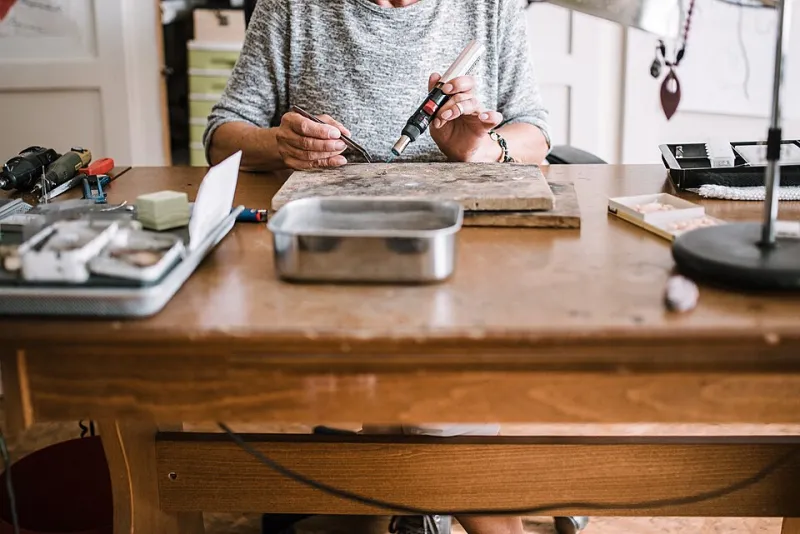
Photo: Shixart1985, CC BY 2.0, via Wikimedia Commons
The Price Tag Nobody Mentions
Everybody wants authentic. Brands want it. Clients say they want it. The entire creator economy has been built on the premise that if you just show up as yourself — raw, unfiltered, real — the audience will come and the opportunities will follow.
What nobody tells you is what that actually costs.
Not in a cynical, "authenticity is dead" way. More in a "you should probably read the fine print before you sign" way. Because the investment in building a genuine creative reputation is real, it's ongoing, and for a lot of people, it ends up being much heavier than they expected.
Let's break it down honestly.
The Time Tax Is Brutal
Manufactured personas scale. You can hire a social media manager to post on your behalf, you can use a template, you can batch-produce content that checks boxes without ever once reflecting what you actually think or care about. It's hollow, sure — but it's efficient.
Authenticity doesn't work that way. The real stuff takes time that can't be delegated. The late-night drafts you throw away. The conversations you have with yourself before you figure out what you actually believe about something. The slow accumulation of a point of view that isn't borrowed from whoever's trending this week.
For working creatives in the US — especially freelancers and independents who are already wearing seventeen hats — that time is genuinely scarce. Choosing to invest it in building something real means choosing not to invest it somewhere else. That's not a small trade-off.
Vulnerability Has a Withdrawal Limit
Here's the thing about putting your actual self into your work and your brand: it opens you up. Every time you take a genuine position, share a real story, or publish something that actually reflects your values, you're making yourself available for criticism in a way that a polished, carefully managed persona simply isn't.
And criticism finds you. It always does.
The emotional labor of staying consistent — of continuing to show up as yourself when the algorithm is clearly rewarding the loudest, most outrage-adjacent version of everyone around you — is exhausting in ways that are hard to quantify but very easy to feel. Burnout among creatives who are genuinely invested in their work isn't just about workload. A lot of it comes from the sustained effort of being real in spaces that don't always reward it.
You only have so many withdrawals before the account runs dry.
The Algorithm Actively Punishes Nuance
Let's be direct about this: the platforms most creatives use to build their brands are structurally hostile to the kind of authenticity worth having.
Nuance doesn't perform. Complexity doesn't go viral. The thoughtful, carefully considered take gets lapped by the hot reaction every single time. So if your authentic self is someone who thinks carefully before speaking, who sees multiple sides, who isn't interested in manufacturing conflict for engagement — you are starting at a disadvantage on every major platform designed to distribute your work.
That's not a reason to abandon the project. But it is a reason to be strategic about where you invest your energy and what metrics you actually care about. Chasing algorithmic validation with your genuine self is a recipe for slowly warping your voice into something you don't recognize.
So Does It Actually Pay Off?
Short answer: yes, but slowly, and not in the ways you're probably measuring.
The real return on authentic personal branding isn't follower count. It's the quality of the inbound — the clients who already understand what you do and why, the collaborators who align with your actual values, the opportunities that fit rather than just flatter. That kind of career compounding takes years, not quarters.
The manufactured persona can produce faster early results. More noise, more visibility, quicker traction. But it tends to attract the wrong rooms and then trap you in them. You end up performing for audiences who don't actually want what you do best, and walking that back is its own expensive project.
How Much Are You Willing to Sacrifice?
This is the question worth sitting with, and there's no universal answer.
Some creatives can sustain the full commitment — the vulnerability, the time, the emotional overhead — and it becomes the foundation of something genuinely durable. Others find a middle path: selective authenticity, being real in specific contexts and more guarded in others, without pretending that's a full substitute for the real thing.
What doesn't work is pretending the cost isn't there. Going in underprepared, expecting that being yourself should be easy and frictionless, and then burning out when it turns out to be neither.
Know what you're signing up for. Build in sustainability from the start. Protect your energy like the finite resource it is. And be honest — with yourself, first — about what you're actually willing to put in.
Authenticity is worth it. Just not because it's cheap.